New Commodity Markets...New Investment Ideas

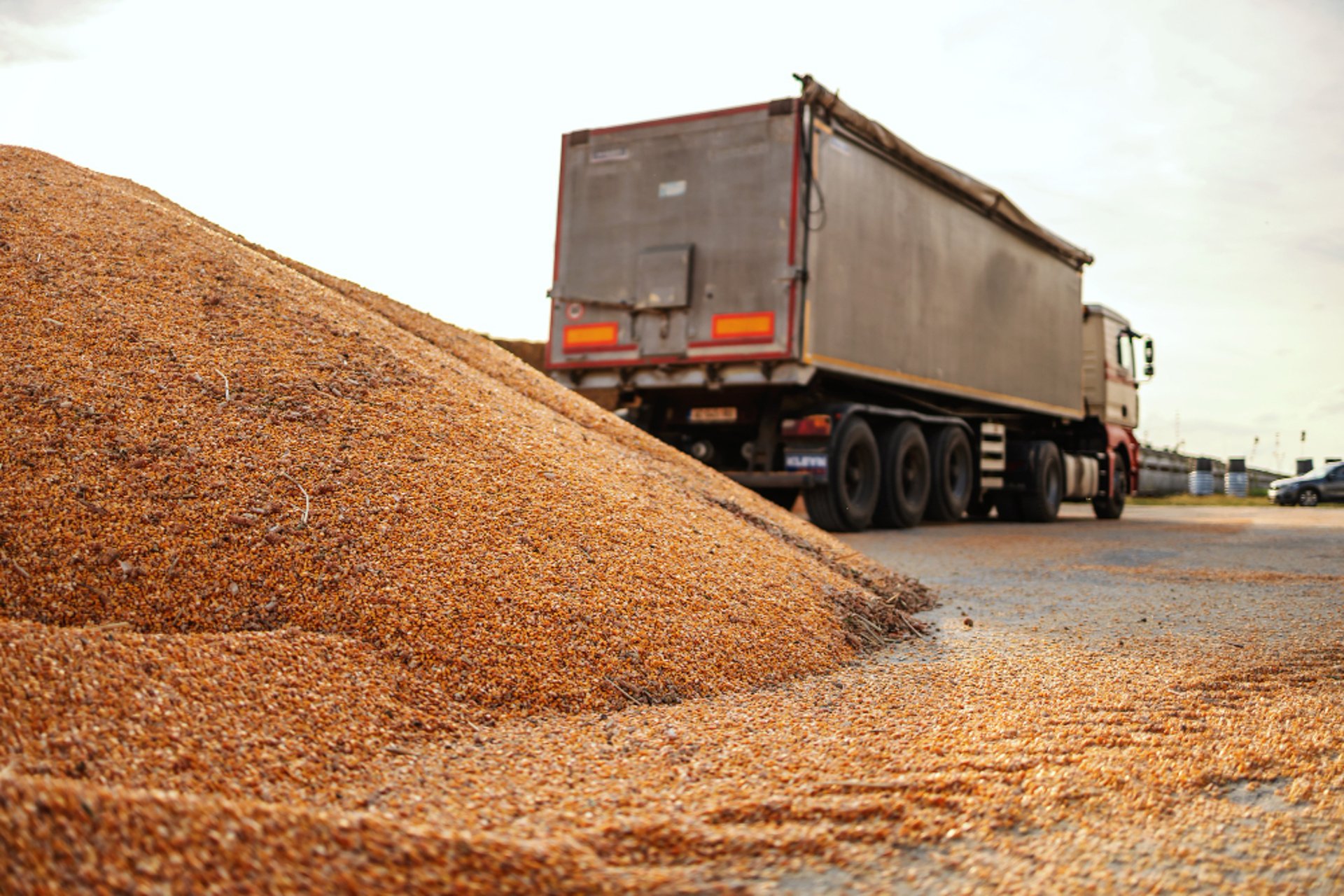
Grain Markets in a Multi-Polar World Economy
With oscillating tariffs on established trade partners and policy about-turns flowing thick and fast from the White House, this spring global grains markets have remained surprisingly calm especially in comparison to their financial market counterparts. Don’t expect this to continue for long however. With the growing season in the northern hemisphere getting underway and geopolitics throwing out unexpected twists on an almost daily basis, traders are preparing for an active season to come.
In its recent reporting, the USDA has raised projections of wheat inventories due to more imports and fewer exports. However, soon the market will start to focus on new crop developments and weather. Wheat is currently entering its weather-sensitive period. The USDA raised U.S. ending stocks due to higher imports and slightly lower exports. However, U.S. wheat is the cheapest in the world and export sales are solid. Additionally, most U.S. imports come from Canada, where the U.S. has just placed a 25% import tariff, so it’s questionable that imports will rise.
Now that winter wheat crops around the world are out of dormancy once again weather becomes increasingly important. It’s been dry in the U.S. Southern Plains, Ukraine and Russia. Crop ratings all remain well below the 5-year averages for these regions, placing even more importance on spring conditions.
However, following any Ukraine peace deal it could take at least one if not two crop cycles to restore production. Also, and more impactful, is the strong possibility that the Ruble could appreciate when the conflict ends as sanctions are lifted and specifically if the U.S. allows Russian traders back into the SWIFT payments system.
If this happens, paticipants can prepare for Russian wheat prices to become more expensive, not cheaper, allowing the U.S. to continue to compete in the export market but raising export prices to US farmer. Turning from war to weather, late winter was extremely dry in both Ukraine and Russian winter wheat areas. Thus, timeliness of spring rains are much more critical as crops emerge from winter dormancy.
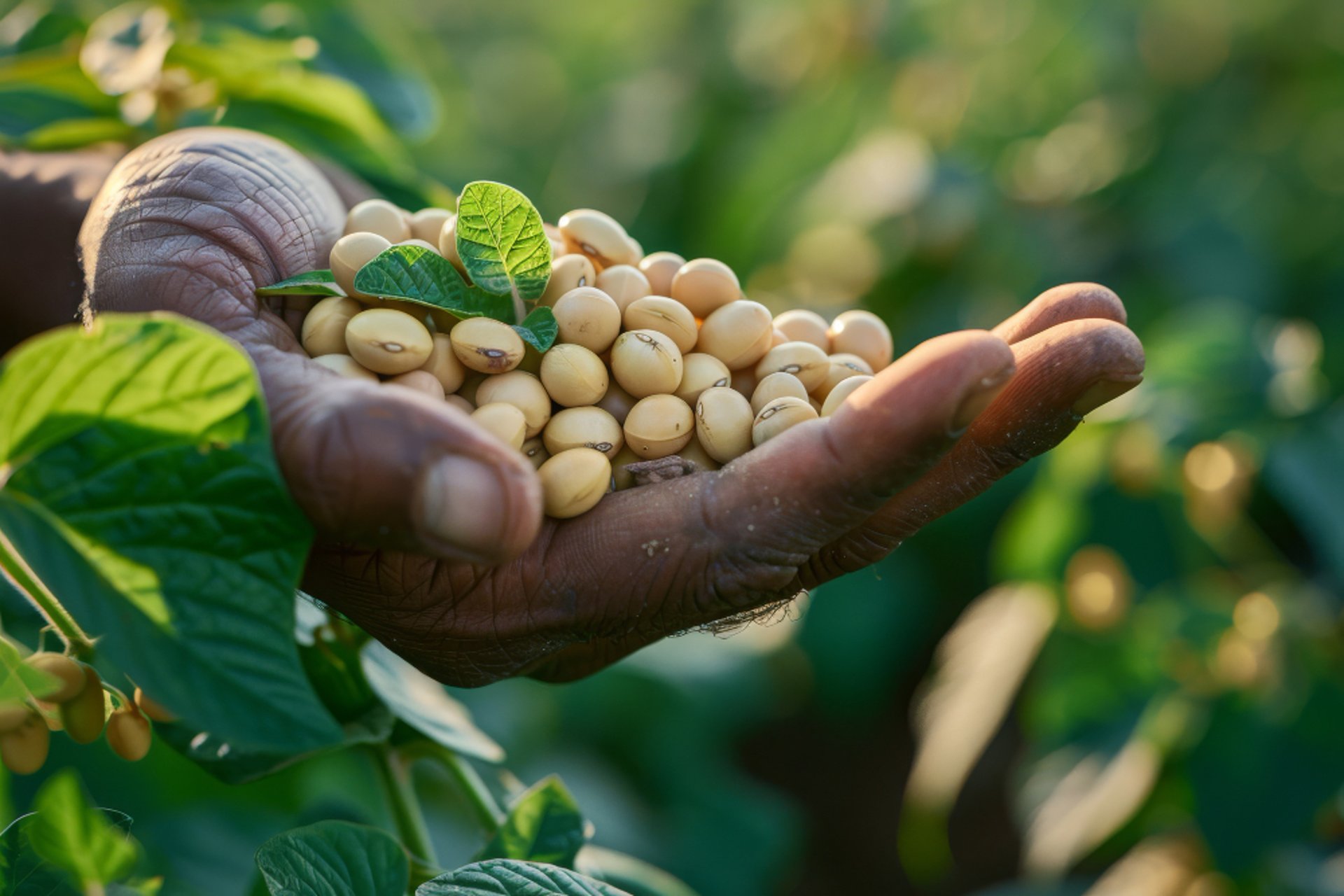
Vegetable Oils Developments
SOYBEAN OIL prices are retracing back toward yearly lows amid what has been a volatile biofuelsmarket. In the US, all the main components have played their part in the action: the price of diesel, the price of carbon credits and the price of RINs (renewable identification numbers) which in the US directly affect the margins of biofuel producers.
The uncertainty surrounding U.S. policy beyond December this year has caused drastic swings in carbon credits and RINs, leaving the biodiesel/renewable diesel industries at a standstill.
The Trump administration's future stance on the Renewable Fuel Standard (RFS) and related biofuel policies has introduced significant uncertainty into the market. This includes the potential for granting small refinery exemptions (SREs), which can reduce the demand for biofuels like biodiesel that utilize soybean oil as a feedstock. Such exemptions, if broadly applied, may lead to decreased soybean oil demand and exert downward pressure on prices.
Whatever happens next year with the US mandate, U.S. exports could still recover enough to offset any prolonged weakness in biofuel demand. Although highly unpredictable, Trump may still choose to boost the renewable diesel industry as both big agriculture and big oil have supported it in recent years. A president whose recent pronouncements in trade and finance have sparked volatility may soon turn his attention to agriculture and energy with unpredictable results.
The USDA initially forecast soybean oil exports this year at 600 million pounds while the more recent forecast places them at 1.8 billion pounds or more. Although the U.S. soybean oil export pace got off to a strong start, as the spring progressed the trend of prices has once again turned more bearish.

CASE STUDY: MOZAMBIQUE
Biofuels in the Global South
Since 2022 the Italian energy major ENI , best known in Mozambique for its offshore gas exploration activity, has also served as a partner in biofuels production in the country.
Eni and the Ministry of Agriculture and Rural Development of Mozambique signed an agreement for the cooperation and development of agricultural projects aimed at producing oil seeds and vegetable oils for the production of biofuels.
Under the agreement, Eni and the ministry assess potential sites and the most appropriate crops for the production of oil seeds and vegetable oils.
The focus is on areas that will not compete with food production and taking into consideration the preservation of forests and natural ecosystems.
The local production of vegetable oil allows the country to be an active part of the strategy to develop bioenergy for increasingly sustainable mobility and contributes to the expansion of Eni's bio- refining activities through the production of agro-feedstock.