

Grain Markets in a Multi-Polar World Economy
Nowhere to Hide as Conflict's impact spreads to grains and biofuel markets
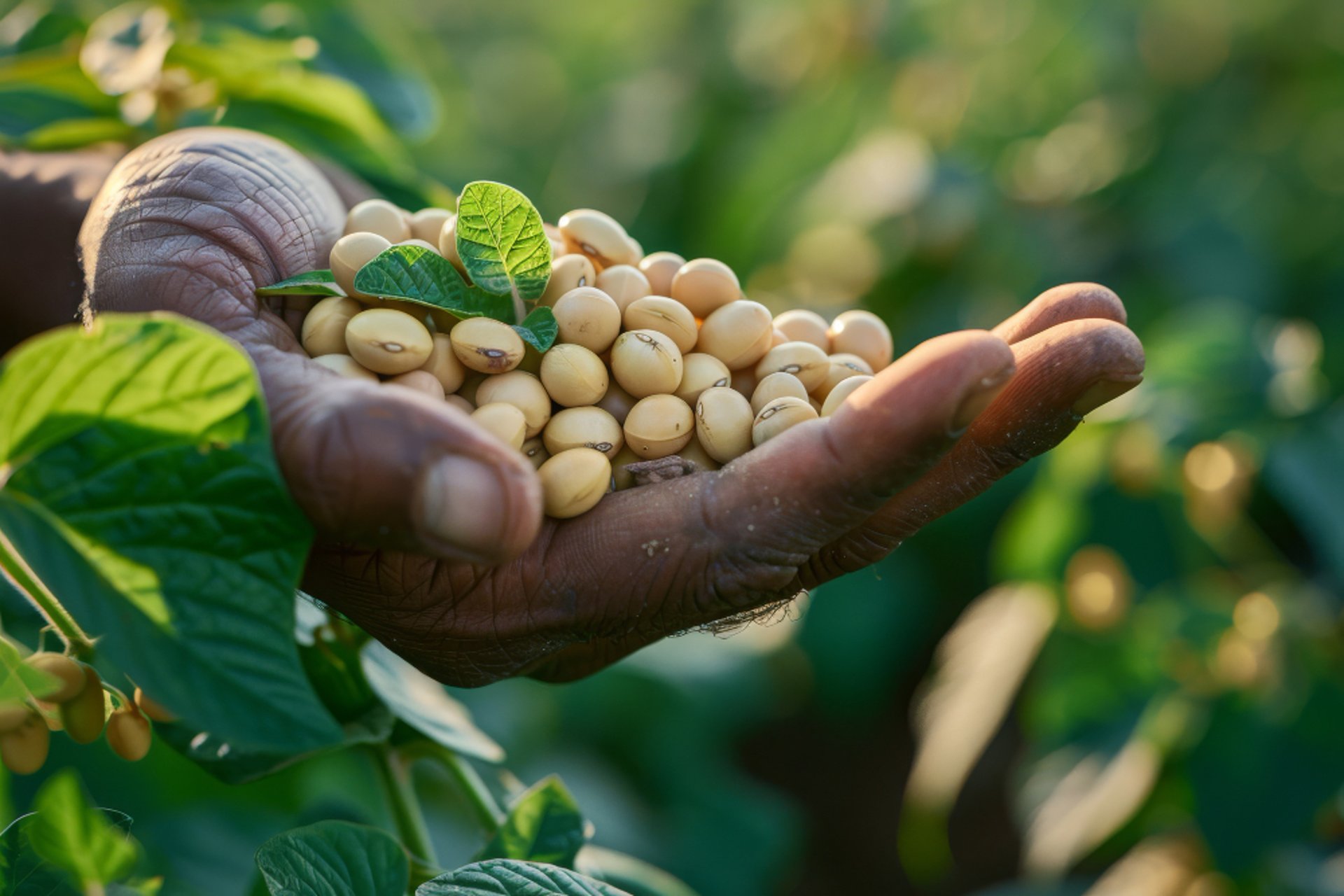
Following the outbreak of warfare over Iran at the beginning of March, successive waves of destruction, threats and counter-threats led to sharp rises in prices in the energy complex. Prices of soybean oil also surged when markets re-opened after the first weekend's hostilities and again as the White House threatened attacks on Iran's civilian energy infastructure. Bean oil prices rose above $0.70/lb briefly, before falling back in tandem with the crude oil price. Wheat prices also rose dramatically during the early days of fighting while all grain markets with an ocean freight connection to the Middle East appreciated, amid uncertainty over how and when the conflict would be resolved and how long term oil prices could be affected.
In domestic US developments, the USDA's late March update forecast corn ending stocks at a 7-year high of 2.1 billion bushels while finally acknowledging the slow U.S. soybean export pace, cutting forecasts by 35 million bushels but raising domestic crush by the same amount, leaving ending stocks unchanged month-over-month at 350 million. Earlier pronouncements from the White House on increased import commitments of US soybeans by China became secondary influences compared to the evolution of the Iran conflict.
The markets will increasingly focus on new crop developments and weather in particular. Wheat will soon be entering its weather-sensitive period. U.S. wheat remains in demand and export sales are likely to be solid. Additionally, most U.S. imports come from Canada, where the U.S. has just placed import tariffs, so imports from the US' northern neighbor will likely be subdued.
When winter wheat crops around the world come out of dormancy weather becomes increasingly important. Early crop ratings will be all important placing even more importance on spring conditions. Globally, with favourable developments in ongoing peace discussions, renewed supplies from Ukraine could ease global pressure on demand but the Black Sea export situation remains uncertain at best.
In Ukraine, if any peace deal is reached it could still take at least one if not two crop cycles to restore production. Also, and more impactful, is the strong possibility that the Ruble could appreciate if the conflict ends as sanctions are lifted and specifically if the U.S. allows Russian traders back into the SWIFT payments system. If this happens, paticipants can prepare for Russian wheat prices to become more expensive, not cheaper, allowing the U.S. to continue to compete in the export market but raising export prices to US farmer.


Vegetable Oils Developments
Beyond the impact of the Iran war, SOYBEAN OIL prices in the US also rallied in anticipation of higher demand and a bullish renewal of the US Biofuels RVO (Renewable Volume Obligations) mandate, which was confirmed in late March. The confirmation had been delayed by lengthy consultations and policy disputes between oil refiners and biofuel producers over import credits, small refinery exemptions (SREs), and other issues.
Ulimately the decision, according to President Trump, will generate"the highest volumes of renewable fuels in history" while creating rural jobs. At a White House briefing he also said the ruling would "massively increase our nation's energy supply."
The Environmental Protection Agency (EPA) requires oil refiners and importers to annually blend different types of biofuels or buy Renewable Identification Number (RIN) credits with the main uncertainty pending over the size of this year's quota. Traders expecting high quotas had already boosted the price of RINs as well as soybean oil futures to multi year highs in the run up to the decision.
The March 27 ruling includes a record-high mandate of 26.81bn RINs from total renewable fuel blending this year and 27.02bn RINs next year. EPA sets total blend requirements and requires that a portion come from lower-carbon "advanced" biofuel types including biomass-based diesel. A gallon of corn ethanol generates one RIN, while more energy-dense fuels like renewable diesel earn more.
The uncertainty surrounding U.S. policy this year has caused drastic swings in carbon credits and RINs but the bias of trading action has favoured a White House decision aimed at supporting the farm community.
However the Trump administration's future stance on the Renewable Fuel Standard (RFS) and related biofuel policies still leaves room for significant uncertainty in the market. This includes the decision regarding (SREs), which could reduce the demand for biofuels such as biodiesel that utilize soybean oil as a feedstock. Such exemptions, if broadly applied, may lead to decreased soybean oil demand and exert downward pressure on prices.
Whatever happens with the US mandate, U.S. exports could still recover enough to offset renewed weakness in biofuel demand. Although highly unpredictable, the White House may still choose to boost the renewable diesel industry as both big agriculture and big oil have been supportive in recent years. A president whose recent pronouncements in trade and finance have sparked major volatility elsewhere may soon turn his attention to agriculture and energy with unpredictable results.


CASE STUDY: MOZAMBIQUE
Biofuels in the Global South
Mozambique's experience with developing a biofuels industry has been plagued with false starts.
Between 2008 and 2011 Mozambique was heavily promoted as a potential producer of jatropha, a small bushy plant previously cultivated successfully in the Indian sub-continent and elsewhere. Although its fruits are inedible, they produce very fine oil which can be used to power diesel cars, trucks, ships and even airplanes. However, in Mozambique, projects largely failed due to low productivity and rural bankruptcy, as many farmers converted food-producing land to jatropha, leading to food security stress. Jatropha cultivation companies often went bankrupt, leaving behind cleared land and no jobs.
Another ill-fated oilseeds cultivation scheme, known as ProSAVANA, was launched in 2009 as a triangular agricultural development project involving Japan, Brazil, and Mozambique, aiming to transform 14.5 million hectares in the country's northern Nacala Corridor for industrial-scale soybean and export crop production. The aim was to replicate the experience of Brazil's much less populated Cerrado, where the right soils and relatively low population density make the area suitable for oilseed cultivation. Although the Nacala corridor's soils were suitable, the problems encountered by the project were of a different nature;
Mozambique has one of the stronger land laws in Africa, which prevents private ownership of land and grants use rights to farmers who have been farming land for ten years or more. Even if the government sides with foreign investors, it has laws through which an increasingly restive citizenry can hold it accountable. This legal environment eventually sank the ProSAVANA project following intense local opposition regarding land rights and a lack of transparency in use of resources and returns from the scheme.
*****
In contrast to the industrialized economies, as a large agricultural country, one of the poorest in the world and with an extensive coastline, Mozambique's focus is less on decarbonization and more on expanding access to electricity, sustainable land use, and bolstering coastal resiliance against extreme weather events. Strata Transitions visited the country in February 2026 to assess the progress being made and to talk to key actors in industry and agriculture.
Given the country's priorities, the large-scale establishment of solar energy facilities, both to feed the national grid as well as through mini-grids form an important part of the national strategy.
In the battle against coastal erosion, extensive planting of mangroves along degraded coastal sections has been undertaken as well as replanting of trees cut down or destroyed by extreme weather events in recent years.
Mozambique is a primary example of a highly vulnerable nation requiring climate damage and risk compensation, with over 60% of its population living in low-lying coastal areas threatened by sea-level rise, tropical cyclones, and saltwater intrusion. The country faces extreme climate-induced losses—as highlighted by the devastating 2019 cyclone season—which organisations such as the UNDP judge necessitates international support for adaptation and mitigation.
In terms of renewable energy sources, Mozambique holds vast potential, estimated at over 187 GW, with hydropower from the Cahora Bassa dam complex (2,075 MW) acting as the cornerstone of its energy sector. However, significant challenges persist in achieving domestic supply of power for the country’s needs as most power is exported to South Africa, resulting in only 41% national electricity access.
Cahora Bassa supplies more than half of the country's total energy, yet it operates primarily as an export facility, with 73% of its capacity going to neighboring countries. Beyond the Zambezi Valley's hydro, the country has substantial solar (23,000 GW), wind (5 GW), and biomass (2 GW) potential. While rich in resources, Mozambique suffers from high "last mile" access costs, low rural electrification (roughly 8%), and aging, vulnerable infrastructure. Upcoming is the potential from the 1,500 MW Mphanda Nkuwa Dam and the Cahora Bassa North Bank extension.